
Japan has long been praised for its rapid adoption of cashless payments. From convenience stores to food delivery apps, digital transactions have woven themselves seamlessly into everyday life. Policymakers highlight increased efficiency, reduced handling costs, and improved hygiene as key benefits. Economists point to the acceleration of mobile payment platforms as evidence of Japan’s technological maturity.
But beneath this narrative of progress lies a quieter, or rather, not quiet at all, crisis. A crisis not of economics, but of acoustics. A crisis born not from inflation, but from explosively loud payment confirmation sounds.
Japan’s digital payment ecosystem has inadvertently created a new form of social anxiety: Payment Sound Shame.
The Unintended Consequence of Convenience
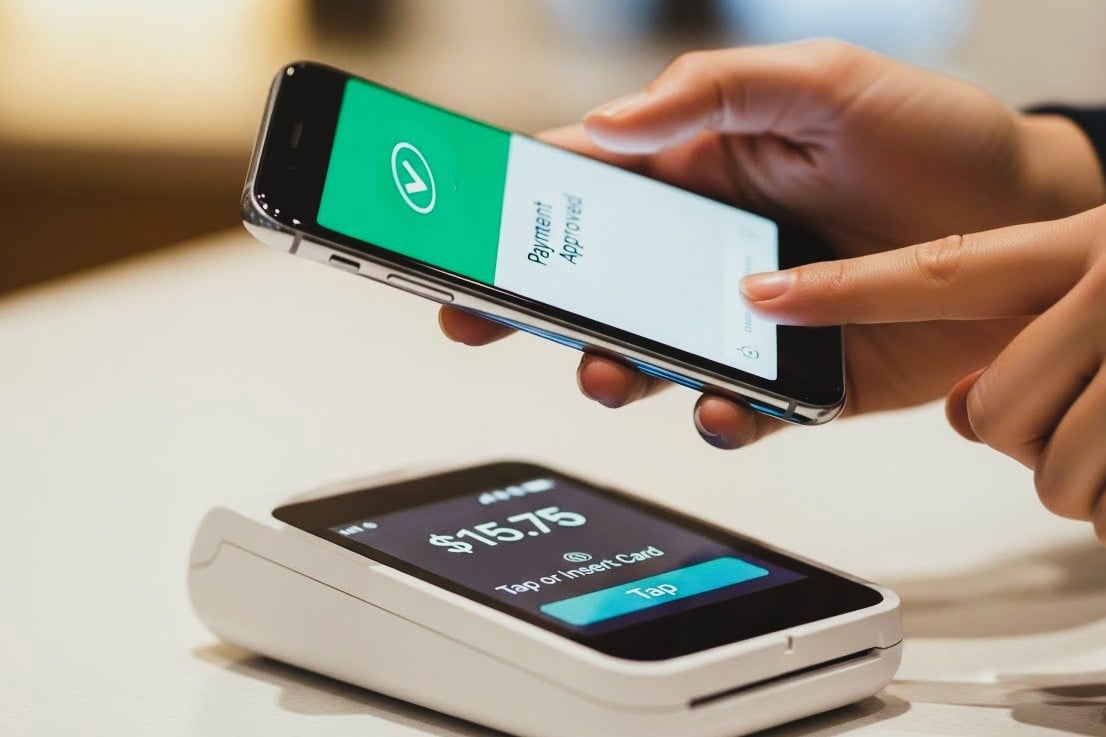
The problem begins innocently enough. A customer orders food delivery, selects one of the payment apps as the payment method, and taps the confirmation button. What follows is not a gentle chime, nor a discreet vibration, but a sudden, jubilant, socially intrusive declaration:
「ペイペイ!!!」 The notoriously loud payment confirmation sound.
The volume is not merely loud. It is ceremonial. It is the audio equivalent of someone bursting into a quiet library and shouting, “Ladies and gentlemen, this person has just completed a transaction!”
In apartment complexes, the sound ricochets off walls. In cafés, it turns heads. In a quiet studio apartment late at night, it becomes a public announcement system. One resident of Kanagawa described the experience as “a surprise attack,” adding, “I nearly dropped my phone. I’m pretty sure my neighbor knows I ordered McDelivery at 10 p.m.”
A Nation of People Trying to Muffle Their Phones
As the volume of payment sounds has grown, so too has the creativity of those attempting to avoid them. Across Japan, citizens have developed a variety of improvised, often ineffective, and occasionally dangerous techniques to silence their devices at the critical moment of transaction.
The Chest Compression Method
The most common technique involves pressing the smartphone tightly against one’s chest, as if attempting to absorb the sound through sheer willpower. Unfortunately, 「ペイペイ!」 pierces the ribcage with ease.
The Futon Burial Strategy
Some users, particularly those making late-night purchases, bury their phone under a futon before tapping “Pay.” This method reduces the volume by approximately 7%, not enough to prevent the shame.
The Earphone Gambit
A popular urban legend claims that plugging in earphones will redirect the payment sound exclusively to the earbuds. This is false. The sound continues to blast from the phone’s main speaker, leaving users betrayed and confused.
The Volume-Down Race
A frantic attempt to lower the volume just before the payment goes through. This method fails most of the time due to the speed at which the confirmation screen appears. The result: maximum volume「ペイペイ!!!」
How Does Japan Compare Internationally?
Interestingly, Japan’s payment sounds are unusually extroverted by global standards.
- Apple Pay (US/EU) – Silent. Vibration only.
- Google Pay: A soft, unobtrusive beep.
- Contactless cards (UK/EU): A tiny “pip” sound.
- WeChat Pay (China): A calm “payment successful” voice from the merchant terminal, at a modest volume.
In contrast, Japan’s payment apps behave as though they are auditioning for a musical. The sounds are cheerful, energetic, and deeply un-private. Sociologists suggest that Japan’s payment sound culture may stem from a desire for “transactional certainty,” an audible confirmation that the payment succeeded. But critics argue that the volume is unnecessary, intrusive, and socially hazardous.
The Delivery Driver Problem
A growing concern among consumers is the fear that neighbors can identify them by their payment sounds. One Tokyo resident confessed: “I’m embarrassed that when the delivery driver arrives, they might think, ‘Ah, that was the ペイペイ! person from earlier.’”
This phenomenon has led to a new form of paranoia: identity exposure through payment sounds. Some users have even begun timing their payments to coincide with passing trains, hoping the noise will mask the sound of the explosive payment moment.
Experts argue that Japan must confront this acoustic crisis with the same seriousness it applies to economic policy, proposing measures such as mandating a universal silent mode for all payment apps, introducing a softer “whisper payment sound” option, replacing loud voice clips with subtle tones, or even allowing users to choose their own payment sound, the most radical solution of all.
Imagine a future where payments are confirmed not by loud payment sound but by a gentle “pop.” A future where late-night McDelivery orders remain private. A future where no one drops their phone in shock.
Japan’s cashless revolution has brought convenience, speed, and efficiency. But it has also got a new kind of embarrassment, one that echoes through apartment walls and quiet cafés.
Until payment apps embrace discretion, the nation will continue to live in fear of the next explosive confirmation sound. And somewhere in Tokyo, a resident will keep praying that their neighbors didn’t hear the unmistakable cry of 「ペイペイ!!!」