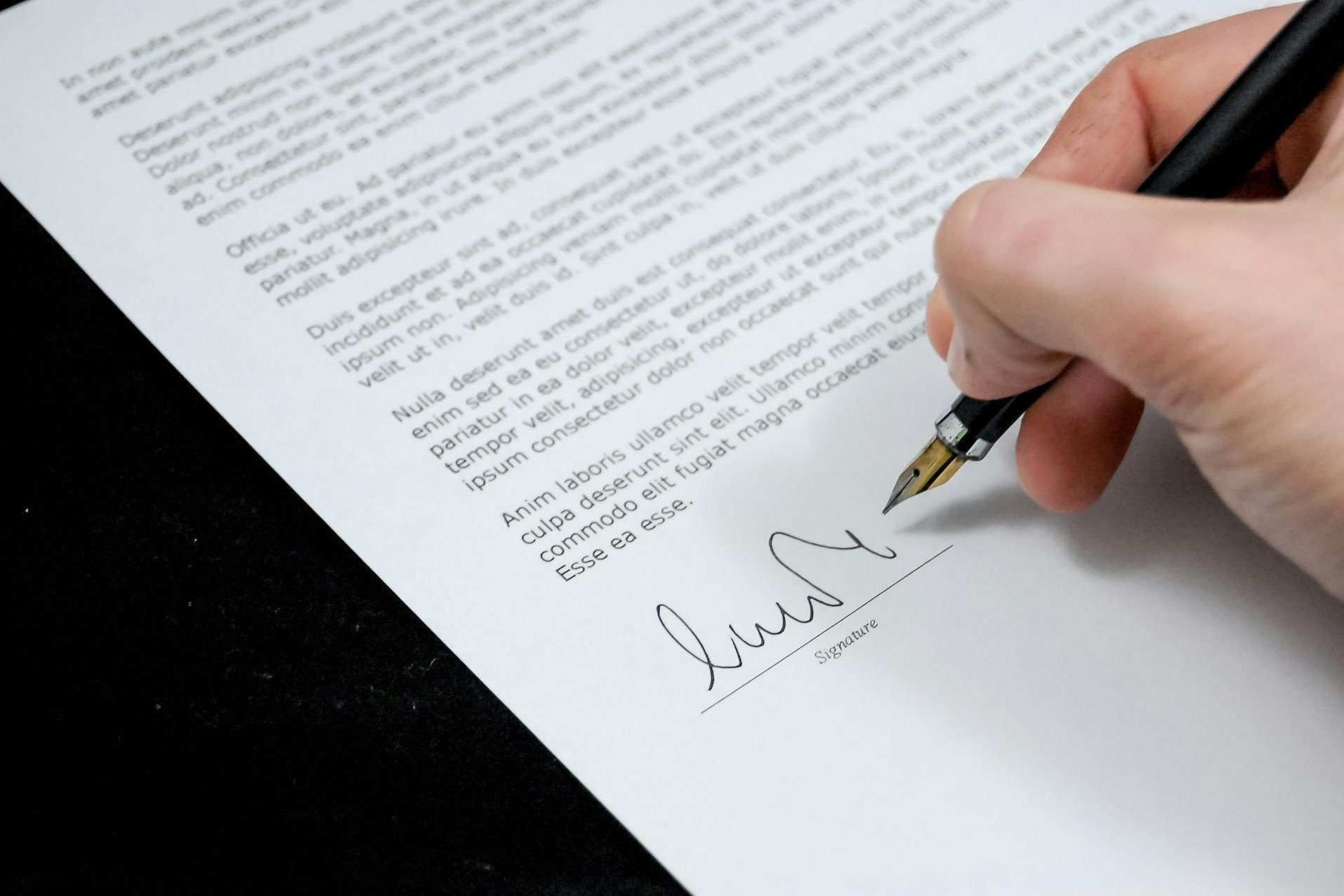

DAVOS — In a historic display of environmental responsibility, world leaders gathered this week to sign a new climate pact using what organizers described as the “world’s first fully biodegradable font.” The font, named EcoSans ReLeaf, is engineered to decompose naturally within 72 hours of printing, ensuring that no trace of the agreement remains, symbolically or physically.
Officials praised the move as “a bold step toward sustainable aesthetics,” emphasizing that while the pact itself contains no legally binding commitments, the font represents “a powerful gesture of planetary mindfulness.” Delegates reported feeling “morally lighter” the moment their pens touched the page. Several described a “warm, leafy sensation” spreading through their arms, while one Scandinavian minister claimed to hear “the faint sound of composting” as he signed.
A Pact With No Teeth, But Excellent Typography
The agreement, formally titled the Global Climate Alignment Framework for Symbolic Progress, outlines a series of aspirational intentions rather than enforceable actions. Delegates pledged to “consider reductions” in emissions, “explore possibilities” for renewable energy, and “reflect deeply” on the concept of sustainability. One clause simply states that signatories “acknowledge the existence of climate change,” a line that drew applause for its “refreshing honesty.”
Critics argue that the pact reads more like a mindfulness journal than a policy document, but supporters insist that the biodegradable font elevates the entire text into a realm of “eco-conscious sincerity.” A spokesperson for the summit explained, “Legally binding commitments are important, but have you seen how soft and earthy this font looks? It’s practically photosynthesizing.”
Delegates were encouraged to take photos of the document before it begins decomposing, “for personal inspiration,” though not for accountability.
The Science Behind EcoSans ReLeaf
EcoSans ReLeaf was developed by a startup specializing in “eco-conscious typographic solutions,” a field that did not exist until last year but now boasts a valuation of $2.3 billion. The font is printed using ink infused with pulverized bamboo, fermented moss, and what the company calls “ethically sourced chlorophyll.” According to its creators, the letters begin a gentle decomposition process once exposed to air, eventually returning to the soil “like fallen leaves of bureaucratic hope.”
Researchers claim the font’s degradation rate accelerates when exposed to political backtracking, though this has not yet been peer-reviewed. One scientist noted that the font “performs best in environments of vague ambition,” making it ideal for international climate agreements.
A Ceremony Designed for Maximum Moral Buoyancy
The signing ceremony took place in a minimalist hall decorated with reclaimed driftwood, ethically harvested fog, and a soothing soundtrack of melting glaciers. Delegates were instructed to breathe deeply before signing, releasing “any carbon-heavy thoughts.” A mindfulness coach guided the leaders through a grounding exercise: “Feel the weight of your responsibility. Now release it. Let the font carry it for you.”
Several leaders later admitted they felt “spiritually composted,” while one EU representative described the experience as “like doing yoga inside a bamboo steamer.”
The pens used for the signing were made from recycled conference lanyards and infused with “trace amounts of hope.” Organizers emphasized that the pens themselves were not biodegradable, but “emotionally sustainable.”
Industry Reaction: Confusion, Applause, and Mild Panic
Environmental groups offered mixed responses. Some praised the pact as “a meaningful gesture toward sustainable paperwork,” while others criticized it as “the most expensive compostable stationery in history.” A representative from the Renewable Optimism Council stated, “Sure, the pact doesn’t enforce anything. But the font is biodegradable. That has to count for something.”
Meanwhile, the fossil fuel industry expressed cautious approval, noting that “symbolic progress is the most manageable kind.” One oil executive reportedly asked whether the font could be used for annual sustainability reports, “just to set the tone.”
Typography enthusiasts, on the other hand, celebrated the pact as a “landmark moment in eco-design,” though several expressed concern that the font’s rapid decomposition might make archival preservation “philosophically incompatible.”
What Happens When the Font Decomposes
Experts warn that once the font fully biodegrades, the text becomes unreadable, leaving behind faint green smudges and a mild herbal scent. This raises questions about the pact’s long-term enforceability. A legal scholar explained, “If the text disappears, does the commitment disappear with it? Philosophically, yes. Legally, also yes.”
Delegates were advised to store the document in a cool, dry place if they wished to delay decomposition, though organizers discouraged this, noting that “the pact’s symbolic power lies in its impermanence.” Some leaders expressed concern that the disappearing text might complicate future negotiations. Others welcomed the idea, saying it “keeps expectations flexible.”
As the summit concluded, leaders expressed satisfaction with the pact’s symbolic impact. Several reported feeling “emotionally carbon-neutral,” while one minister described himself as “lighter than air, morally speaking.” Whether the biodegradable font will lead to meaningful climate action remains uncertain.
But for now, the world can rest assured that at least one document is decomposing responsibly.