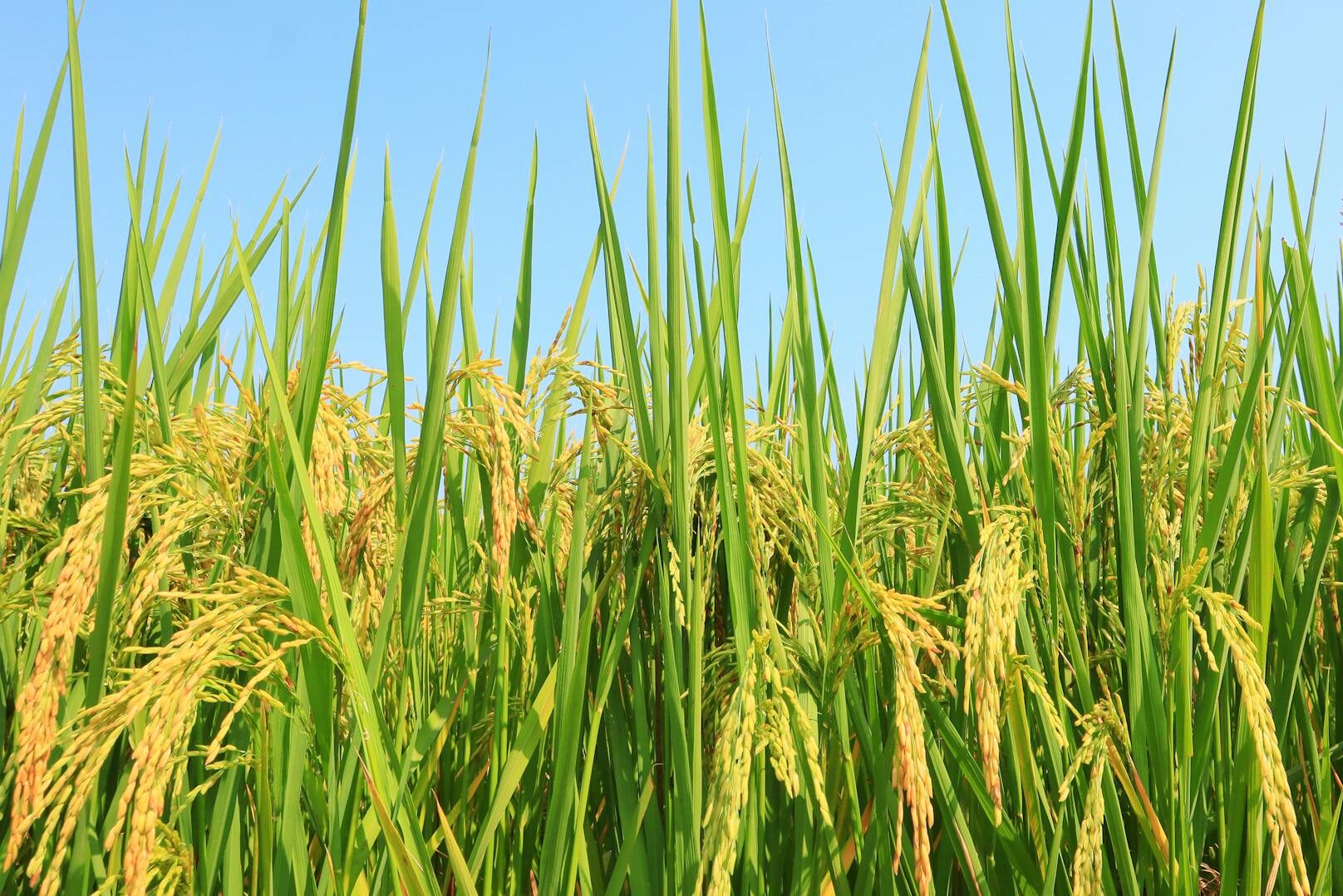

A fringe wellness movement in Japan is urging consumers to eat only what it calls “Emotionally Stable Rice,” claiming that the psychological condition of uncooked grains has a direct impact on human well‑being. The group, which refers to itself as the Harmony Steam Fellowship, insists that modern rice suffers from “unprocessed emotional turbulence” due to market pressures, supply chain stress, and what they describe as “the spiritual exhaustion of being harvested in bulk.”
The Fellowship’s rise coincides with Japan’s ongoing surge in rice prices, which began roughly three years ago and has shown no signs of reversing. Despite government interventions, including a highly publicized initiative led by former Minister Shinjiro Koizumi that briefly nudged prices downward before they rebounded with renewed enthusiasm, rice remains stubbornly expensive. The Fellowship argues that this is not merely an economic issue but an emotional one.
“People think rice is just a carbohydrate,” said Masato Kiriyama, founder of the Fellowship and self‑described “grain empath.” “But rice absorbs the emotional climate of the nation. When society is anxious, the rice becomes anxious. When farmers are stressed, the rice internalizes that stress. And when the government tries to manipulate prices, the rice becomes distrustful.”
Kiriyama, who claims he can “sense the mood of a grain by holding it near his cheek,” says the Fellowship formed after he noticed his rice cooker “refusing to steam properly” during a period of personal turmoil. After ruling out mechanical issues, he reached a different conclusion. “The machine was functioning normally,” he said. “The rice, on the other hand, was clearly under emotional strain.”
This moment, which he describes as “a calling,” led him to establish the Fellowship and develop its central practice: kokoro‑polishing, a ritual intended to stabilize the emotional state of rice before cooking. The process involves placing uncooked grains in a quiet room, playing ambient forest sounds, and whispering affirmations such as “You are enough” and “Your value is not determined by market fluctuations.” Practitioners claim the ritual improves flavor, texture, and “energetic digestibility.”
Skeptics have pointed out that the Fellowship sells its own brand of “emotionally stabilized rice” at nearly triple the market price. Kiriyama denies profiteering, insisting the premium reflects “the emotional labor required to heal each grain.” According to the Fellowship’s website, staff members undergo a rigorous training program that includes meditation, breathwork, and a certification exam in “empathetic rinsing.”
The Fellowship’s most controversial claim is that emotionally unstable rice can transmit its distress to humans, leading to irritability, indecision, and what they call “post‑meal melancholy.” Kiriyama cites anecdotal reports from followers who say they felt “lighter,” “more grounded,” or “less likely to text an ex” after switching to stabilized rice.
Mainstream scientists remain unconvinced. “There is no evidence that rice has emotions,” said Dr. Haruka Nishimori, a food science researcher at a national institute. “And even if it did, there is no mechanism by which those emotions could be transferred to humans through ingestion.” She paused before adding, “Also, rice cannot be distrustful. It is rice.”
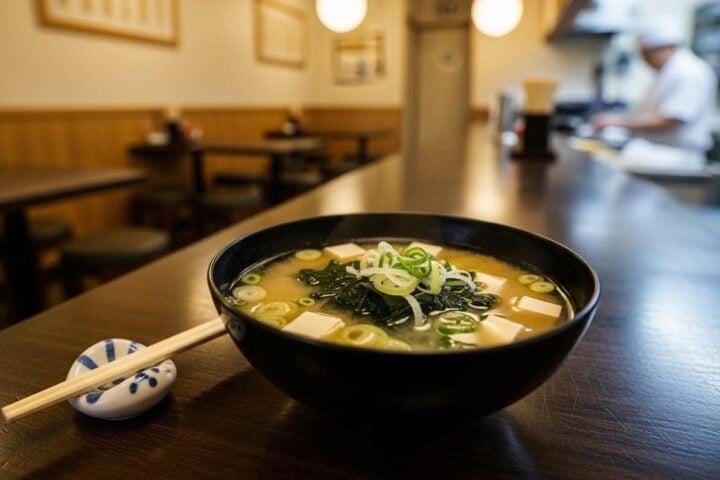
But the Fellowship’s influence is growing. Videos of members performing kokoro‑polishing rituals have spread on social media, where they are often mistaken for ASMR content. Several boutique cafés in Tokyo have begun advertising “emotionally stabilized rice bowls,” and at least one high‑end restaurant now offers a tasting menu featuring grains “counseled individually.”
Economists warn that the trend could further distort the already strained rice market. “If consumers start believing that rice needs therapy, prices will rise even more,” said one analyst. “We’re already dealing with a commodity that doubled in price and refuses to come back down. The last thing we need is a wellness movement giving it a personality.”
Kiriyama rejects accusations that the Fellowship is exploiting public anxiety. He argues that the real exploitation occurs at the agricultural and policy levels. “Rice has been under pressure for years,” he said. “It’s been pushed, priced, and politicized. No one ever asks how the rice feels about any of this.”
When asked whether rice truly possesses emotions, Kiriyama offered a gentle smile. “Have you ever opened a bag of rice and felt a heaviness in the air?” he asked. “That’s unresolved sorrow.” He then placed a hand on a nearby rice cooker, closing his eyes as if listening for a heartbeat. “People think we’re strange,” he said. “But we’re simply acknowledging what the rice has been trying to tell us for years.”
Whether the Fellowship’s beliefs will influence national rice policy remains unclear. For now, the group continues its mission, grain by grain, whispering encouragement into bowls of uncooked rice as the country’s most essential staple remains emotionally and economically unsettled.