
JR East has announced a new insurance policy designed to compensate passengers for the emotional damage caused by missed transfers, describing the issue as “a persistent psychological hazard unique to the Tokyo metropolitan rail ecosystem.” The policy, which begins rolling out next month, aims to provide what the company calls “mental stabilization support” for commuters who experience confusion, despair, or sudden directional collapse while navigating the region’s dense rail network.
To administer the program, JR East has established a new subsidiary, JR Transfer Assurance Co., Ltd., created solely to handle claims arising from navigational failures within JR-operated stations. The company currently employs three staff members, two of whom were hired under a special “frequent transfer mistake” recruitment initiative designed to “ensure empathy and lived experience within the claims process.” The third employee is reportedly a former station attendant who “has personally witnessed more than 10,000 transfer-related breakdowns.”
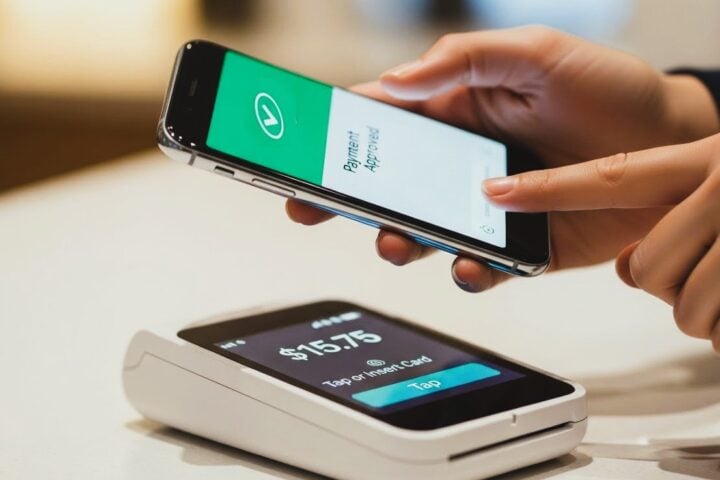
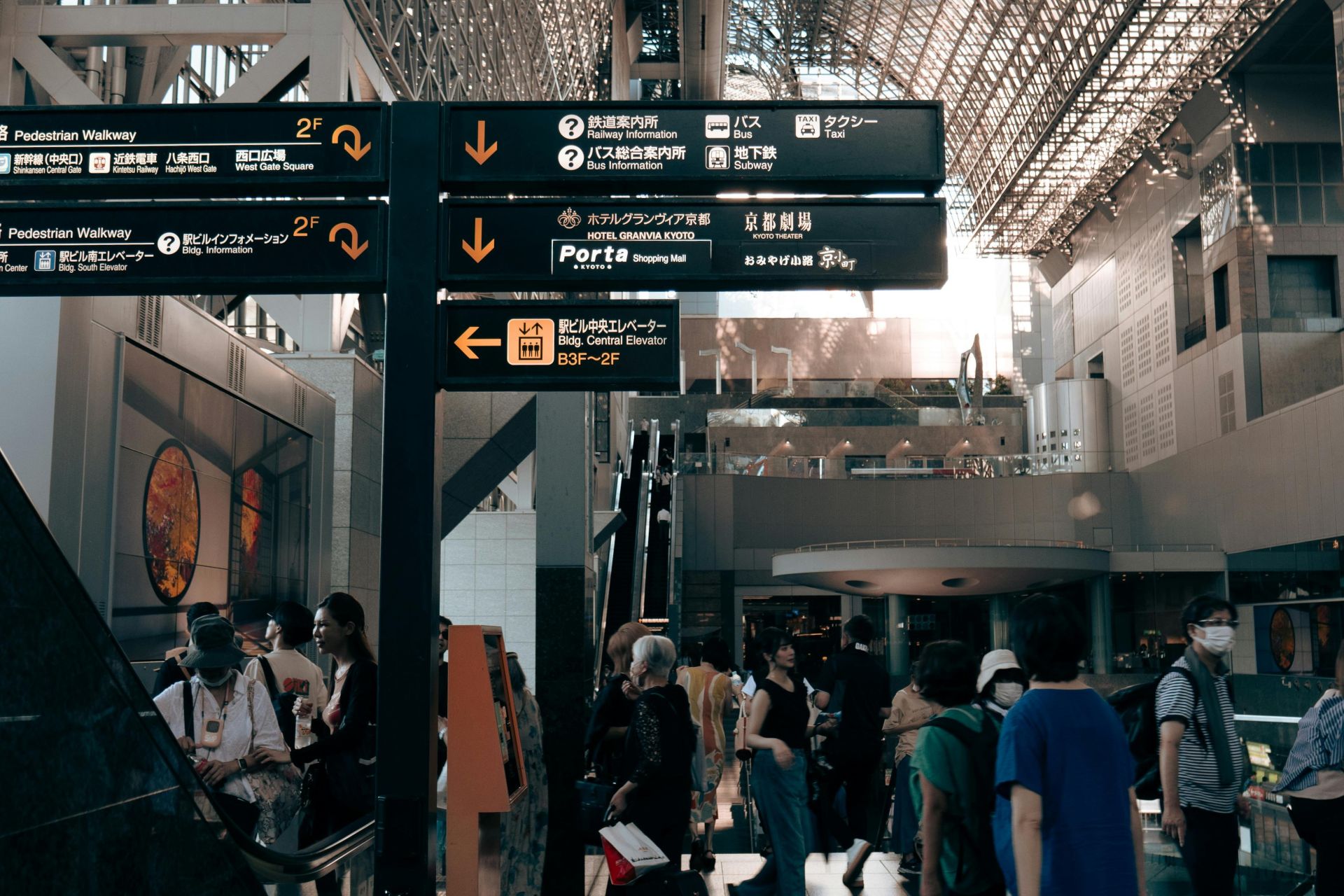
Under the new policy, passengers who board the wrong train, miss a transfer, or “experience acute platform disorientation” will receive a 150‑yen payout automatically charged to their Suica. The payout is triggered by a proprietary algorithm that analyzes tap‑in and tap‑out patterns, hesitation near escalators, and what JR describes as “the subtle despair detectable in mid-transfer U‑turns.” The system also monitors sudden platform changes, prolonged map-staring episodes, and “the emotional turbulence associated with realizing you are on the Chūō Line Local instead of the Rapid.”
In cases of repeated mistakes, passengers may qualify for additional compensation through a “continuous misnavigation bonus.” However, JR East insists this feature is “not intended to encourage reckless or strategic confusion.” Critics argue that the bonus structure creates a perverse incentive for commuters to intentionally board incorrect trains during peak hours. JR East responded by stating that “the line between accidental and tactical misnavigation is inherently ambiguous and should not be overregulated.”
Early adoption has been strongest among university students and sales workers in the Tokyo metropolitan area. First-year students, many of whom are still adjusting to the region’s complex rail system, have embraced the policy as “a form of academic financial aid.” Sales workers, meanwhile, have expressed relief that their daily navigational errors will finally yield “tangible economic returns.”
Within the first month of limited regional testing, JR Transfer Assurance issued more than 40,000 payouts, prompting concerns about the subsidiary’s financial stability. Despite the immediate slide into the red, JR East executives remain optimistic, some say inexplicably so.
At a press conference, JR East Senior Executive Officer Masato Kurose described the policy as “a bold step toward monetizing the emotional realities of modern commuting.” When asked about the company’s mounting losses, Kurose replied, “Profitability is a secondary concern. What matters is that passengers feel seen, validated, and gently nudged back onto the correct platform.”
Another executive, speaking on condition of anonymity, explained that the company’s long-term strategy hinges on “the fundamental truth that human directional instincts are unlikely to improve.” He added, “As long as people remain tired, stressed, or geographically confused, this market will remain stable. We view transfer mistakes as a renewable resource.”
JR East also confirmed its intention to list JR Transfer Assurance on the Tokyo Stock Exchange Prime Market within two years, despite analysts warning that the subsidiary’s business model appears “structurally allergic to profitability.” When pressed on this point, Kurose stated, “The Prime Market is about vision, not numbers. And our vision is a society in which every navigational failure is met with immediate financial comfort.”
Financial analysts remain puzzled. One noted that the company’s projections assume “a steady supply of lost, exhausted, or emotionally compromised commuters,” a demographic that JR East appears confident will persist indefinitely. Another analyst questioned whether the policy might inadvertently increase congestion by encouraging passengers to “experiment with alternative transfer paths for research purposes.”
JR East declined to comment on these concerns, issuing a brief statement instead: “Supporting passengers through their navigational struggles is a core part of our mission, provided they continue to use Suica.”
As the rollout expands across the Tokyo region, experts warn that the policy may reshape commuter behavior in unpredictable ways. Some fear that habitual misnavigation could become normalized, while others worry that passengers may begin to rely on the payouts as a supplementary income stream. JR East maintains that such outcomes are “within acceptable operational parameters.”
For now, the company remains committed to its vision. As Kurose concluded at the press conference, “In a world full of uncertainty, the least we can do is ensure that every wrong train leads to a small, comforting right.”