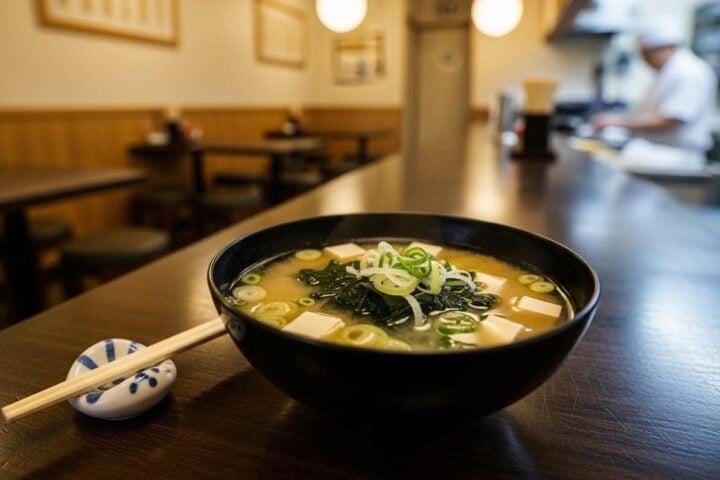
Japan’s Ministry of Health announced Monday that several batches of commercially sold tofu are being voluntarily recalled after multiple consumers reported that the products had begun “whispering” to them during normal handling. Officials stressed that the phenomenon poses “no immediate physical danger,” but acknowledged that certain whispers “may contribute to psychological strain, depending on the consumer’s mental resilience.”
The ministry’s statement described the whispers as “audible yet low-volume verbalizations” emitted when the tofu was removed from packaging, sliced, or placed into cooking pans. While the exact mechanism remains unknown, the ministry noted that the whispers appeared to be “contextually relevant” to the consumer’s personal life, which has raised concerns among mental health professionals.
Notably, tofu blocks that whispered encouraging or “emotionally supportive” messages, including “You deserve a better life”, have been excluded from the recall. Officials explained that such remarks “do not meet the threshold for psychological harm.”
Government introduces a formal definition of “tofu mental”
In a separate briefing, the Consumer Affairs Agency announced an update to its glossary of psychological risk factors, formally defining “tofu mental”. It is a widely used Japanese slang term referring to a person whose emotional resilience is as fragile and easily damaged as tofu.
The agency’s spokesperson explained: “Individuals with tofu mental tendencies may experience heightened sensitivity to external stimuli, including unsolicited comments from food products. Negative whispers may temporarily exacerbate these tendencies, while positive or motivational whispers may have a stabilizing effect.”
The inclusion of a slang term in an official government document drew immediate attention, with some commentators noting that the institutionalization of “tofu mental” may signal a broader recognition of the nation’s growing psychological fatigue.
Experts attempt to explain the phenomenon
Psychologists and behavioral scientists consulted by the ministry offered a range of hypotheses, though none appeared to account for the phenomenon fully.
Dr. Keiko Aramaki of the National Institute for Behavioral Studies suggested that tofu’s symbolic qualities may play a role: “Tofu is white, soft, and symbolically neutral. It becomes an ideal projection surface for guilt, anxiety, and unresolved life decisions. The whispers may reflect internal monologues that consumers have suppressed.”
Another expert proposed that the whispers could represent “collective psychological exhaustion,” noting that the content of the tofu’s remarks “aligns closely with the private anxieties of overworked citizens.” However, this theory was complicated by the fact that several whispers were recorded on audio devices, confirming that the phenomenon is not purely subjective.
Examples of recorded whispers
To promote transparency, the ministry released a partial list of verified whispers “for consumer awareness.” The list was published without interpretation:
“You don’t have to reply to that message.”
“You’re pushing yourself too hard today.”
“That person isn’t thinking about you as much as you think.”
“The natto in the back of your fridge has expired.”
“You already know the answer, don’t you?”
“You deserve a better life.” (Not subject to recall)
Officials declined to comment on whether the whispers were tailored to individual consumers or whether the tofu exhibited any form of “intent.”
Social media reacts with predictable chaos
Within hours of the announcement, hashtags such as #WhisperingTofu, #TofuMentalCheck, and #TofuToldMe began trending across major platforms. Users posted videos claiming their tofu had offered unsolicited life advice, while others reported buying multiple packs “just to see what mine says.”
A “Tofu Mental Diagnostic Generator” appeared on several sites, prompting users to answer questions such as “How often does tofu criticize your decisions?” Meanwhile, unopened whispering tofu was listed on resale platforms at inflated prices, with sellers advertising it as “rare supportive tofu” or “limited-edition anxious tofu.”
Some users expressed concern that the recall might reduce the availability of “empathetic tofu,” which they described as “more emotionally available than most people.”
The manufacturer issues conflicting statements
The tofu manufacturer at the center of the recall released a series of statements that appeared to contradict one another as the day progressed. In its initial announcement, the company insisted that “the whispers are not part of the product’s intended specifications,” emphasizing that tofu is designed to be “nutritionally neutral and acoustically silent.”
However, a later statement clarified that “encouraging whispers do not affect product quality,” suggesting that certain forms of tofu vocalization may fall within acceptable manufacturing tolerances.
When asked about consumer reports claiming that tofu whispers become louder at night, the company stated that it had “received no verified evidence of nocturnal amplification.” The manufacturer concluded by noting that “the cause of the phenomenon is under investigation” and that it is “cooperating fully with government authorities.”
Government urges calm
In its final statement of the day, the Ministry of Health urged consumers to “avoid overreacting to tofu-related auditory experiences”. It recommended adequate sleep and moderate exercise for those experiencing tofu mental symptoms.
Officials added that they would “continue working with industry partners to prevent future occurrences of unsolicited tofu communication,” though they declined to specify what measures were under consideration.