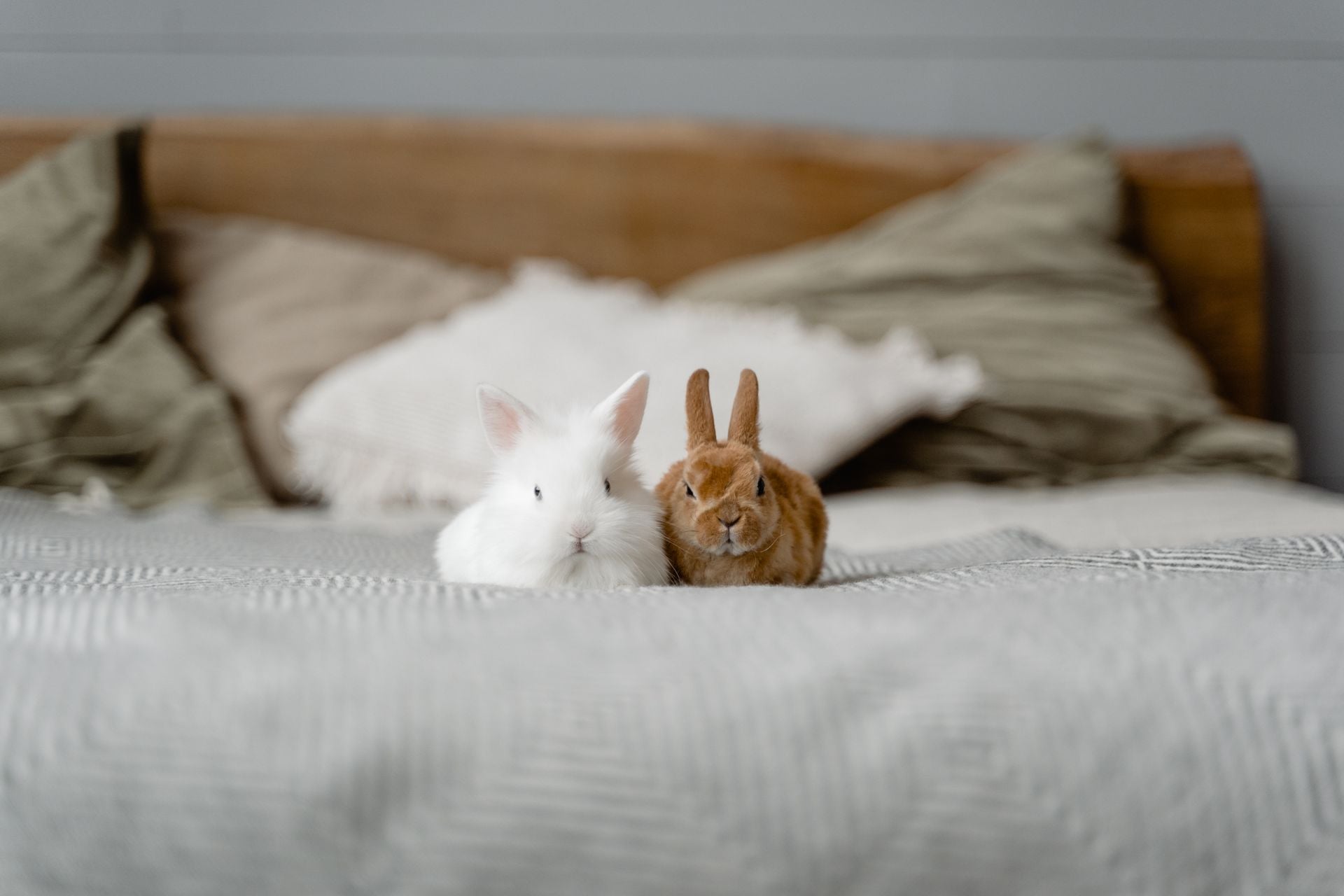

A newly formed nonprofit organization, the Micro‑Creature Rescue Alliance (MCRA), has launched what it calls the world’s first rescue program for dust bunnies missed by robot vacuums. The group argues that as robot vacuums become more efficient, “the small, overlooked particulate communities left behind” are increasingly at risk of abandonment.
According to MCRA, dust bunnies, traditionally considered harmless clumps of lint, should instead be recognized as “micro‑creatures with structural integrity and environmental context.” The organization claims that modern households generate dust faster than robot vacuums can process it, leading to “unintended neglect.”
The NGO’s mission statement emphasizes the need to “give every dust bunny a second chance,” framing the issue as a byproduct of technological progress. “Automation has consequences,” the group writes. “Some of them are soft, gray, and quietly accumulating under your sofa.”
Rescuing dust bunnies one clump at a time
MCRA volunteers conduct regular “sweeps” of participating homes, collecting dust bunnies using small transparent containers lined with anti‑static material. Each dust bunny is then classified as a Long‑Haired Carpet Bunny, Kitchen Grease Puff, or Under‑Bed Nocturnal Cluster, based on fiber composition and density.
The organization claims to evaluate each dust bunny’s “health status” by measuring humidity absorption, structural cohesion, and the presence of foreign particles. Dust bunnies deemed “stable” are placed into temporary foster environments with controlled airflow and low static electricity.
Once stabilized, the dust bunnies are listed for adoption on the NGO’s website, where potential adopters can browse profiles featuring size, texture, and “personality notes.” MCRA insists that the adoption process is rigorous, requiring applicants to demonstrate “a dust‑positive household environment.”
A multi‑bunny neglect case triggers government intervention
One of MCRA’s most complex operations occurred earlier this year, when the organization discovered what it described as a “multi‑bunny neglect environment” in a suburban apartment. Dozens of dust bunnies had accumulated beneath a single bed, forming dense clusters that MCRA classified as a Level‑3 Dust Congestion Incident, its highest severity rating.
The resident, who requested anonymity, admitted that the situation had “gotten out of hand” after relying on an outdated robot vacuum that repeatedly circled the same patch of floor. “I thought it was doing its job,” the resident said. “I didn’t realize the corners were basically turning into a dust sanctuary.”
In response, MCRA coordinated with the local municipal office to conduct an emergency extraction operation. Staff members arrived with labeled containers, gently collecting the dust bunnies while documenting their size and fiber composition. A city official stated that the intervention was necessary to “prevent further deterioration of the indoor micro‑ecosystem” and to support residents who may be “overwhelmed by unmanaged particulate populations.”
Following the rescue, the resident received a formal notice offering guidance on responsible dust‑bunny stewardship. “They told me to acknowledge the dust bunnies emotionally before they reach critical mass,” the resident said. “I’m still not sure what that means, but I’m trying.”
Adopters describe unexpected emotional benefits
Despite public skepticism, several individuals have already adopted dust bunnies through MCRA’s program. One adopter, who asked to be identified only as L, described the experience as “surprisingly grounding.”
“I keep mine on a shelf near my desk,” L said. “It doesn’t do anything, obviously, but somehow I feel less lonely knowing it’s there. It’s like a tiny, silent roommate made of fibers and regret.”
Another adopter reported that caring for a dust bunny helped them maintain a cleaner home. “I vacuum more often now,” they said. “Not because of the dust bunny, but because I don’t want it to feel replaced.”
MCRA claims that adoption demand has exceeded expectations, with some applicants requesting “bonded pairs” of dust bunnies to ensure “social continuity.”
Experts remain unconvinced
Researchers in household ecology have expressed doubts about MCRA’s scientific claims. Dr. Hanae Sano, a professor of environmental micro‑structures, stated that dust bunnies are “not organisms in any meaningful sense” and do not require rescue. “They are literally just dust,” she said. “There is no ethical framework in which they can be considered neglected.”
Robot vacuum manufacturers have also distanced themselves from the issue. A spokesperson for one major brand offered a carefully measured response, saying: “Look, robot vacuums occasionally miss a bit of dust; that’s true of any cleaning device. But the idea of rescuing dust bunnies and arranging adoptions for them… that’s not exactly within the scope of what our products are designed for.” The spokesperson added that the company supports “responsible cleaning habits,” but declined to comment on whether dust bunnies should be considered “at‑risk particulate communities.”
MCRA responded by accusing critics of “denying particulate existence” and urged the public to “look beyond traditional definitions of life.”
A movement that refuses to stay small
Despite the controversy, MCRA plans to expand its operations nationwide. The organization is developing educational workshops, including “Living in Harmony with Your Robot Vacuum” and “Recognizing Early Signs of Dust Accumulation.” It also hopes to collaborate with tech companies to design “dust‑inclusive cleaning algorithms.”
“Our mission is simple,” the NGO said in a statement. “Every dust bunny deserves to be seen.”
Whether the movement will gain broader acceptance remains unclear, but one thing is certain: in the age of automation, even dust is finding new ways to demand attention.